
Something changes when the same repair shows up more than once in your maintenance history, especially when reviewing your tenant maintenance responsibilities guide. What felt like a simple fix starts to look like a repeating issue. Then another similar problem appears, and the pattern becomes harder to ignore.
For rental property owners in Orlando, recurring minor repairs are more than routine maintenance. They often signal inefficiencies that affect costs, tenant experience, and overall property performance. Identifying these patterns early helps you move toward solutions that last.
Key Takeaways
- Recurring minor repairs often indicate deeper system inefficiencies
- Repeated quick fixes can significantly increase long-term costs
- Delayed upgrades lead to more frequent breakdowns
- Consistent maintenance improves tenant satisfaction and retention
- Tracking repair patterns helps prevent ongoing issues
Why Recurring Minor Repairs Keep Showing Up
Recurring minor repairs usually point to a larger issue that was never fully resolved. When the same problem appears more than once, it often reflects a deeper system concern.
Looking Beyond the Surface
A quick repair may restore functionality, but it does not always address the underlying cause. Over time, that same issue returns, sometimes more frequently and with greater impact.
Owners who focus on tenant communication often gain better insight through communication strategies that improve rentals, which help identify recurring concerns tied to maintenance.
Common Examples of Recurring Issues
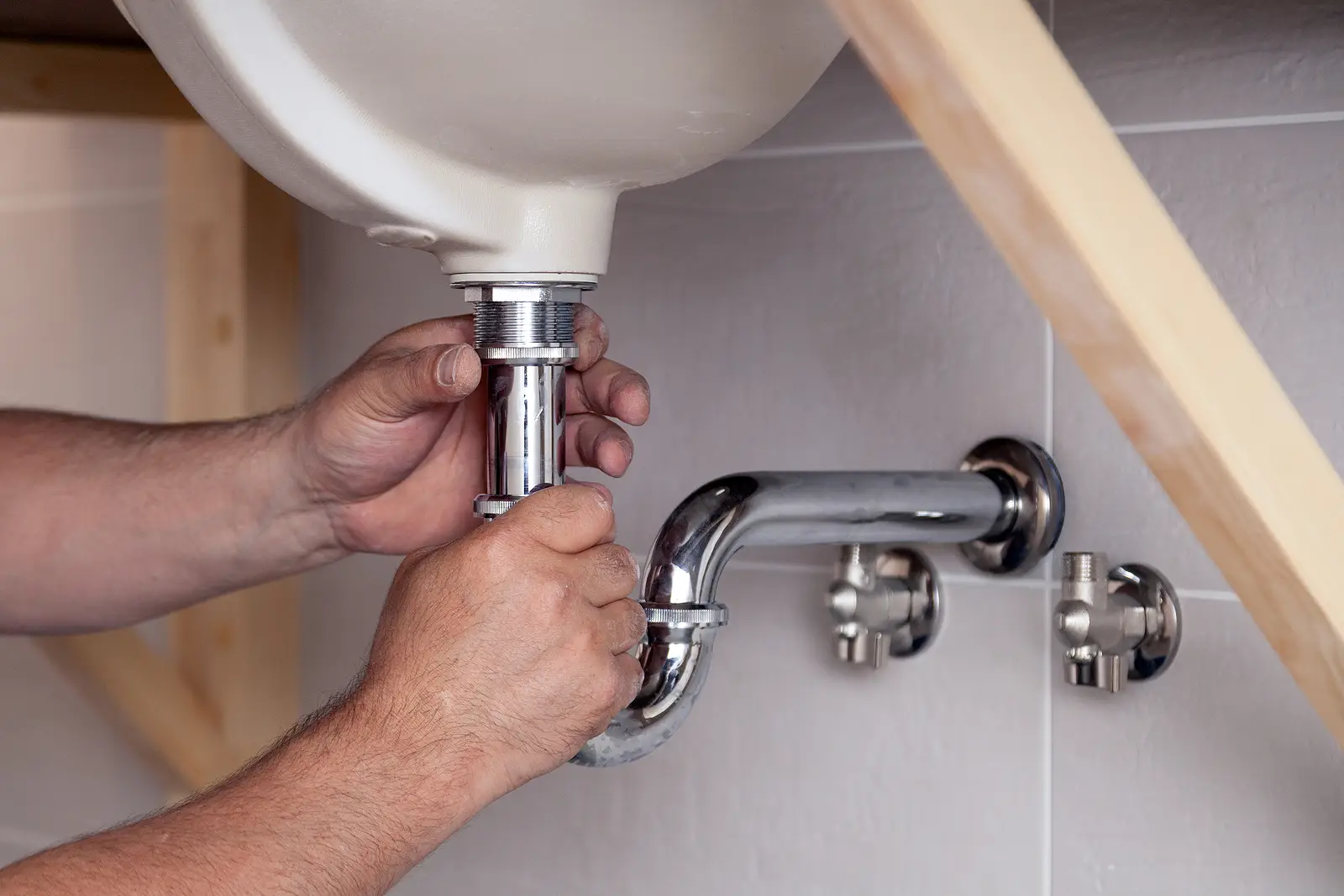
- Plumbing clogs that keep returning
- HVAC systems that require repeated service
- Electrical outlets that stop working again
These patterns often signal that a deeper inspection is needed.
Repeated Repairs Increase Long-Term Costs
Small repairs can seem manageable, but their cumulative effect often leads to higher expenses over time.
The U.S. Census Bureau reports that median monthly housing costs reached $2,035 in 2024, reflecting the steady rise in property-related expenses. Repeated repairs contribute to this growing cost.
Where Costs Build Up
- Labor costs increase with each service visit
- Replacement parts are used more frequently
- Scheduling repairs takes additional time
Short-term fixes often lead to repeated work, which raises overall spending.
A separate housing report shows that repair costs reached $198.4 billion in a single year, driven largely by recurring maintenance problems.
Why Temporary Fixes Fall Short
Temporary solutions often address symptoms rather than the root cause. This leads to repeated repairs and higher long-term costs.
Understanding how repair responsibilities are handled can provide better clarity, especially when reviewing property inspection importance in maintaining long-term efficiency.
Delaying Upgrades Leads to Ongoing Problems
Putting off upgrades may seem practical, but aging systems tend to become less reliable over time.
The Challenge with Older Systems
As systems age, they require more frequent repairs and operate less efficiently. This leads to increased utility costs and more service disruptions.
Many Orlando property owners improve performance by investing in eco-friendly rental upgrades that reduce long-term expenses.
Long-Term Effects of Delaying Improvements
- Increased maintenance frequency
- Reduced system lifespan
- Higher operating costs
Evaluating these decisions using a project management planning tool can help you better manage upgrades and maintenance schedules.
Recurring Repairs Affect Tenant Experience
Tenants expect repairs to last. When the same issue keeps returning, it can create frustration and reduce trust.
How Tenants Respond
Repeated maintenance problems can lead to dissatisfaction, even if repairs are handled quickly. Over time, tenants may feel that issues are not being fully resolved.
Common signs include repeated complaints, frustration with maintenance requests, and hesitation during lease renewals.
Why Reliability Matters
Providing consistent and effective repairs helps build trust. When tenants feel confident that issues are resolved properly, they are more likely to stay long-term.
Owners often gain insight into these patterns through a free rental performance analysis that highlights inefficiencies.
Turnover Costs Rise When Issues Persist
Recurring minor repairs can influence tenant decisions to stay or leave. When daily comfort is affected, turnover becomes more likely.
The Cost of Turnover
Vacancies come with added expenses such as marketing, cleaning, and leasing. Frequent turnover also increases wear on the property.
Strengthening Retention
Reliable maintenance helps reduce turnover. When tenants trust that issues will be resolved effectively, they are more likely to renew their lease.
Exploring available owner management resources can help improve long-term performance and tenant retention.
A Smarter Approach to Maintenance
Breaking the cycle of recurring minor repairs requires a shift in strategy. Instead of reacting to problems, focus on preventing them.
What Proactive Maintenance Looks Like
A proactive approach includes regular inspections, system evaluations, and timely upgrades. It also involves working with professionals who can identify patterns early.
Coordinating repairs through professional maintenance services ensures that issues are resolved the first time correctly.
Steps to Improve Property Performance
- Track maintenance trends and recurring issues
- Schedule regular system inspections
- Upgrade aging systems when needed
- Work with experienced maintenance professionals
These steps help reduce costs and improve overall property performance.
FAQs about Recurring Minor Repairs in Orlando, FL
How can I identify if recurring repairs are a serious concern?
Recurring repairs become a concern when the same issue appears repeatedly within a short period. This usually indicates a deeper system problem that requires a full inspection instead of another quick fix.
Do recurring minor repairs affect property profitability?
Yes, repeated repairs can increase costs over time. Labor, materials, and scheduling expenses add up quickly, especially when the same issue continues without addressing the root cause.
When should I replace a system instead of repairing it?
If a system shows signs of aging, requires frequent repairs, or operates inefficiently, replacement is often the better option. It helps reduce long-term costs and improves overall reliability.
Can recurring repairs affect tenant retention?
Yes, repeated maintenance issues can reduce tenant satisfaction. When problems are not fully resolved, tenants may become frustrated and consider moving, which increases turnover costs.
What is the best way to prevent recurring minor repairs?
Preventive maintenance, regular inspections, and timely upgrades are key. Tracking repair history also helps identify patterns early, allowing you to address issues before they become ongoing problems.
Stronger Rental Performance Starts with Better Solutions
Fixing the same issue more than once usually means something deeper is being overlooked, and allowing that cycle to continue can slowly affect both your costs and tenant experience. A more intentional approach helps bring consistency back to your property’s performance.
At PMI Main Street Mgmt, we take a closer look at recurring issues, so they stop resurfacing. Our team focuses on long-term fixes that improve efficiency, reduce repeat service calls, and create a more stable rental environment.
When you are ready to move beyond temporary repairs and focus on results that last, put dependable repair solutions in motion today through our maintenance services.
